







Search Results for: Honey-Processed Geisha
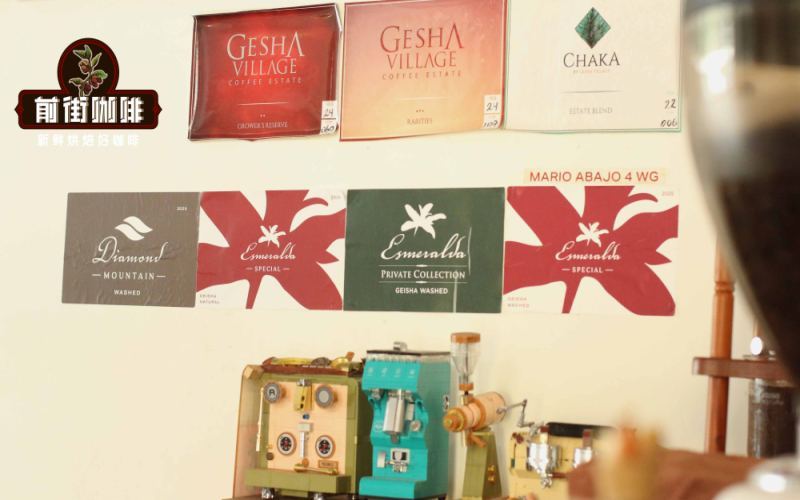
Panama Boquete Honey-Processed Geisha Coffee Beans: A Complete Analysis from Terroir to V60 Pour-Over Parameters
Panama Geisha has traditionally been dominated by natural or washed processing—the former emphasizing berry notes, the latter highlighting floral aromas and citrus acidity. But this article introduces a rarer honey-processed Geisha—from Panama's Boquete region, sourced by Front Street Coffee. The article will walk you through Boquete's high-altitude volcanic terroir, the origins and principles of honey processing, the rise to fame of the Geisha variety, and Front Street's roasting curve, cupping data, and V60 pulse-pouring recipe for this bean. Whether you want to understand the sweetness expression of honey-processed Geisha or need a set of reference pour-over parameters, you'll find the corresponding content in this article. [more…]
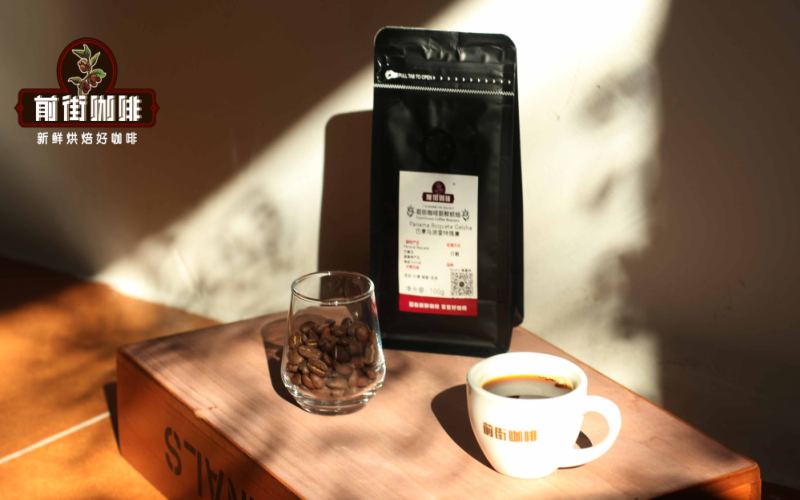
Costa Rican Honey-Processed Geisha Flavor Analysis: A Comparison of Regional Characteristics and Processing Method Differences with Panamanian Geisha
The Geisha variety presents dramatically different flavor profiles across different producing regions. Panama has established a high-end benchmark with its masterful washed and natural processing, while Costa Rica's honey processing gives Geisha more pronounced sweetness and fermentation complexity. This article starts with a Panama Boquete honey-processed Geisha sourced from Front Street Coffee, documenting its specific expressions of floral notes, citrus, cream, and green tea finish through cupping and pour-over practice. At the same time, it traces the propagation of Geisha from Ethiopia to Panama, and compares the essential differences in flavor characteristics between Costa Rican honey processing and traditional Panamanian processing methods, providing coffee enthusiasts with a complete tasting reference. [more…]
Why Does Honey-Processed Coffee Have Such Prominent Sweetness? An Analysis of Costa Rica's Honey Processing Method and a Front Street Coffee Geisha Pour-Over Tutorial
When it comes to coffees with prominent sweetness, natural and honey processing are often the first answers that come to mind. To make it possible to enjoy the rumored sweet flavors in daily life, Front Street Coffee's bean list always includes at least one honey-processed coffee, such as the recently launched Colombia · Hope Estate Geisha, which after honey processing displays intense rose aromatics and extremely high sweetness, and has been widely praised by customers. So why is honey-processed coffee so outstandingly sweet? Is honey actually added? This article will approach the topic from Front Street Coffee's perspective, sorting through the origins and evolution of the honey process, analyzing how Costa Rica became an important driving force behind this method, and explaining the origins of the names black honey, red honey, yellow honey, and white honey as well as their flavor differences. Finally, we will also share Front Street Coffee's practical brewing parameters for Hope Estate Geisha, letting you experience its cup profile of rich purple grape juice, lush rose aromatics, and lively citrus acidity. [more…]
Why Does Costa Rican Honey-Processed Coffee Have Such Prominent Sweetness? Front Street Coffee Geisha Pour-Over Parameters and Flavor Analysis
Honey-processed coffee always impresses with its pronounced sweetness. This processing method originated in Costa Rica, and the "honey" in its name does not refer to added honey, but to the mucilage layer retained on the surface of the green beans. This article starts with Front Street Coffee's Colombia La Esperanza Estate Geisha, sorting out the historical context, color classification, and flavor logic of honey processing, and fully presents Front Street's V60 three-pour brewing recipe, including dose, grind, water temperature, and pouring rhythm, helping coffee lovers understand why honey processing can deliver a full, juicy mouthfeel and a long, sweet finish while saving water and being environmentally friendly. [more…]

Panama Geisha Sets Another Sky-High Record: Elida Estate's 7-Pound Honey-Processed Beans Fetch $6,034 per Pound
Shortly after the 2022 BOP results were announced, the Lamastus family's independent auction once again set a new record for the world's most expensive coffee. Just 7 pounds of honey-processed Geisha from Elida Estate's Aguacatillo lot sold for $6,034 per pound, totaling over $42,000. The entire auction saw 1,762 pounds of Geisha fetch a total of $601,000. Meanwhile, the 2022 BOP top lot auction will kick off on October 7, and whether it can break the record again is drawing close attention. Front Street Coffee will also continue to track the price developments of this top-tier Geisha. [more…]
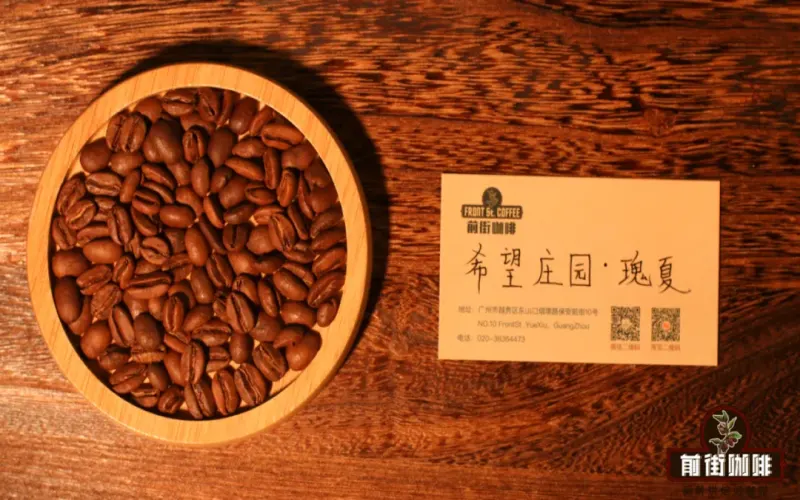
Are Honey-Processed Coffee Beans Really Sweeter? Front Street's Practical Guide to Brewing Parameters for Colombia Hope Estate Geisha
Honey-processed coffee beans are often labeled as having "prominent sweetness," but does this sweetness actually come from the processing method itself, or is it the result of a combination of variety, origin, and roasting? This article begins with the definition of honey processing and the origins of its flavor, then narrows down to a specific sample—the Geisha from Colombia's Hope Estate—to sort out its flavor characteristics and brewing approach. It then moves into the hands-on section, fully presenting the parameters and steps used by Front Street to brew this Front Street Hope Estate Geisha, helping coffee enthusiasts reproduce in their own kitchens a cup of Geisha with clear layering and a balance of sweetness and acidity. [more…]
Flavor Differences Between Costa Rican and Panamanian Geisha and Analysis of Tarrazú Labrador Estate Honey-Processed Geisha
Since Geisha rose to prominence in 2004, it has quickly become a star variety in the global coffee world, with Panama and Costa Rica being the two most representative producing countries. This article starts with the variety's spread history, the terroir conditions of the two countries, regional characteristics, and processing methods to analyze the similarities and differences in flavor between Costa Rican Geisha and Panamanian Geisha, and focuses on the honey-processed Geisha from Hacienda San Isidro Labrador in the Tarrazú region. It also presents a tasting comparison of two Geisha coffees from Front Street Coffee, helping coffee enthusiasts more clearly understand the diverse expressions of the same variety in different origins. [more…]
The Origin and Flavor Characteristics of Costa Rican Honey-Processed Coffee: A Complete Analysis from Naming Origins to Brewing Parameters
When it comes to coffees with pronounced sweetness, natural and honey processing are often the first two methods that come to mind. Front Street Coffee's bean list always keeps at least one honey-processed coffee, and the recently launched Colombia Finca La Esperanza Geisha is honey-processed, with intense rose aromatics and extremely high sweetness. What exactly does the "honey" in honey processing refer to? Why is it so strikingly sweet? This has to start with the evolution of processing methods in Costa Rica. This article will sort out the origin of the name honey processing, its timeline of origin, and the logic of its color classification, and include Front Street Coffee's practical brewing parameters for this Geisha, to give you a comprehensive understanding of the flavor code of this processing method. [more…]
The Origin and Evolution of Costa Rican Honey Processing, with a Detailed Guide to Front Street Coffee Geisha Pour-Over Brewing
Why is honey-processed coffee exceptionally sweet? This question has surely lingered in the minds of many coffee enthusiasts. This article begins with Front Street's Colombia · Hope Estate Geisha coffee, tracing the origins and evolution of the honey processing method in Costa Rica, explaining the true meaning of the word "honey," sorting out the logic behind different names such as black honey, red honey, yellow honey, and white honey, and documenting in detail Front Street's complete pour-over parameters and steps for brewing this honey-processed Geisha, guiding you to a comprehensive understanding of this processing method that combines environmental friendliness with flavor advantages. [more…]
Flavor Analysis and Pour-Over Parameter Guide for Honey-Processed Coffee from Costa Rica's Tarrazú Region
Costa Rica is world-renowned for its honey-processed coffee, with balanced acidity and sweetness and a rich fermented aroma, making it the traffic magnet for Front Street Coffee. This article starts with Costa Rica's coffee cultivation history and management system, sorts out the evolution from washed to honey processing, explains in detail the logic for distinguishing black honey, golden honey, red honey, yellow honey, and white honey, and takes the raisin honey-processed Geisha blend from Mirazu Estate in the Tarrazu region as an example to introduce its origin information, variety composition, and brewing parameters. Tarrazu accounts for about 35% of the country's coffee production and is a core specialty coffee region. This article also compiles its geographical and climatic advantages and green bean grading standards, making it suitable for coffee enthusiasts to systematically understand the flavor sources and pour-over approaches of Costa Rican honey-processed coffee. [more…]
Flavor Analysis of Panama Carmen Estate Honey-Processed Coffee Beans and Geisha Pour-Over Guide
Located in the volcanic region of Chiriquí Province, Panama, Carmen Estate has been run by the Franceschi family since 1950. Nurtured by a high altitude of 1,750 meters, fertile volcanic black soil, and the dual climates of the Pacific and Atlantic, it produces Arabica coffee of outstanding quality. The estate adheres to environmentally friendly principles and has obtained Rainforest Alliance ECO-OK certification, with an annual output of about 1,200 bags. This article will take an in-depth look at the honey-processed coffee characteristics of Carmen Estate and share the pour-over flavor performance of Geisha coffee beans, leading you to appreciate the unique charm of Panamanian specialty coffee. Front Street Coffee also recommends related products for you, helping you buy them with ease. [more…]
Costa Rica San Isidro Labrador Estate: Honey-Processed Geisha Coffee Bean Flavor and Brewing Analysis
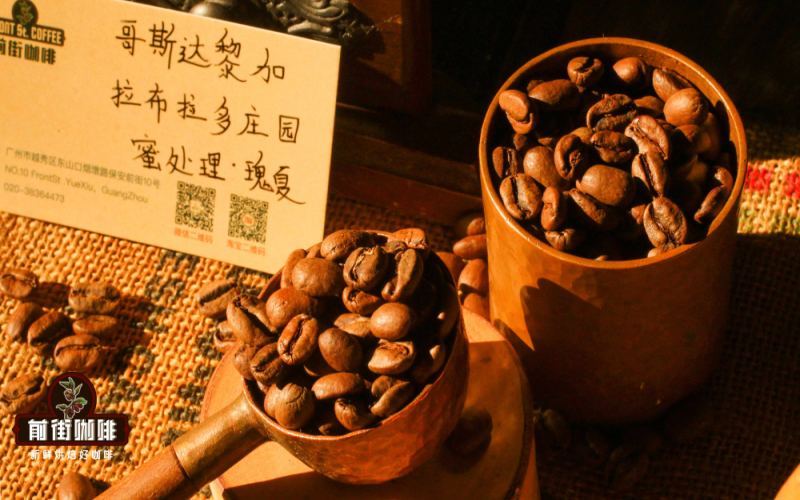
Hacienda San Isidro Labrador is located on the slopes of Santa María de Dota in the Tarrazú region of Costa Rica, at an altitude of about 1,950 meters, with a microclimate featuring distinct dry and rainy seasons. The estate owner, John Monge Naranjo, is a third-generation coffee farmer who once switched careers to land surveying, and after retiring, he returned to the coffee business, now running it together with his son Matías, and in recent years they have achieved repeated success in COE auctions. This time, Front Street Coffee has acquired the estate’s honey-processed Geisha, with flavors of cherry, orange, yellow peach, floral notes, and oolong tea. The article will introduce the estate’s background, processing method, and cupping performance, and share Front Street Coffee’s medium-light roast recommendation and Hario v60 three-pour brewing parameters, letting you experience this bean’s juicy mouthfeel and elegant floral aroma. [more…]
Guatemala's Youngest Region New Oriente: The Flavor Code and Full Brewing Analysis of Honey-Processed Geisha
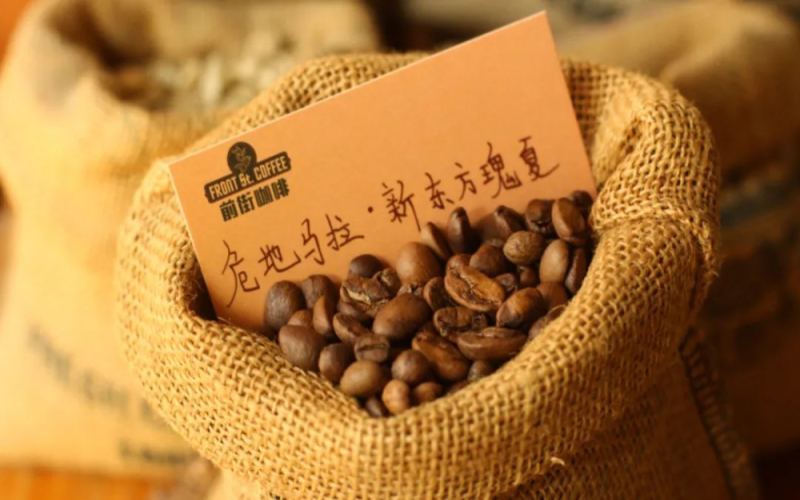
Guatemala's youngest coffee-producing region, New Oriente, with its high altitude, volcanic metamorphic rock soil, and abundant rainfall, provides a uniquely favorable growing environment for Geisha. This New Oriente Geisha brought to you by Front Street Coffee is honey-processed and roasted to a medium-light level, presenting a complex flavor profile of sweet orange, magnolia, citrus, and toffee. This article will begin with the layout of Guatemala's eight major producing regions, trace Geisha's come-from-behind journey from Ethiopia to Hacienda La Esmeralda in Panama, and then turn to the specific brewing recipe and tasting performance of this bean, giving you a complete understanding of the unique charm of New Oriente Geisha. [more…]
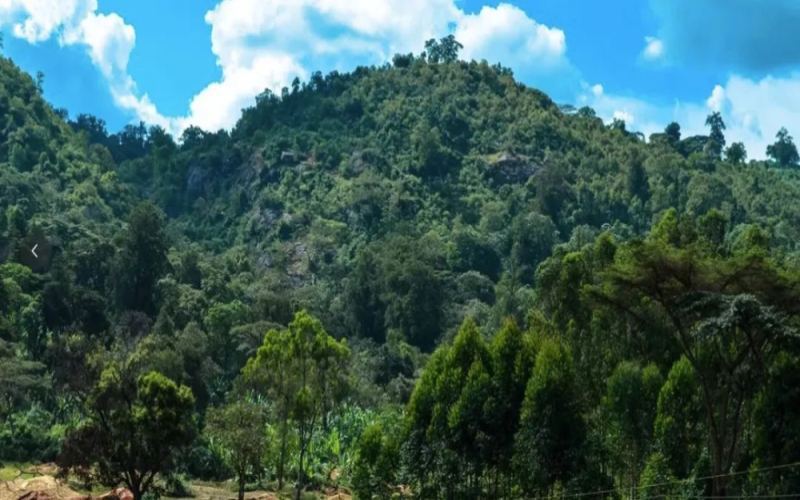
Analysis of Differences Between Colombian and Brazilian Coffee Origins and Introduction of New Honey-Processed Geisha from Hacienda La Esperanza
Although Brazil and Colombia, the two major coffee-producing countries in South America, are geographically adjacent, their differences in growing environment, estate models, altitude, and climate give rise to distinctly different coffee flavors. Brazil is dominated by flat plateaus and large-scale mechanical harvesting, producing coffee with low acidity and prominent nutty, chocolatey notes, often used in blends; Colombia, by contrast, relies on the high altitudes, volcanic soils, and diverse microclimates of the Andes to develop a richer specialty coffee scene, mainly based on small estate cultivation. This article will compare the similarities and differences between the coffees of the two countries in detail from the perspectives of history, environment, producing regions, and processing methods, and introduce Front Street Coffee's newly listed La Esperanza Estate honey-processed Geisha, offering a taste exploration from the classic to the refined. [more…]
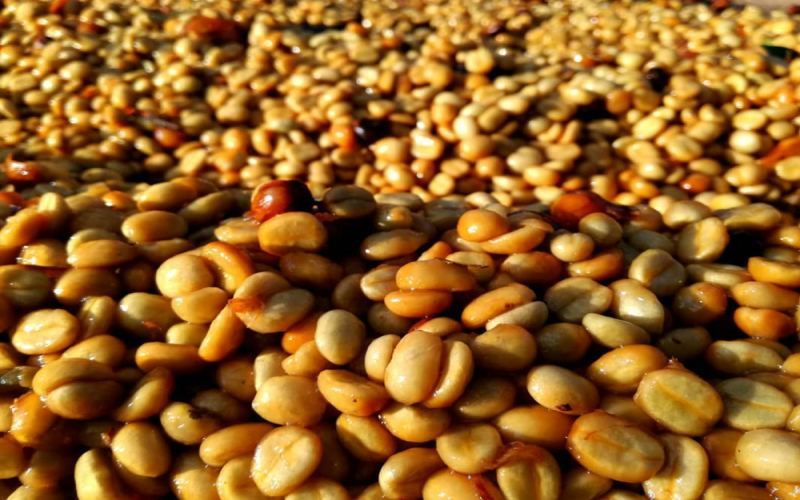
Why Is Costa Rican Coffee So Notably Sweet? A Flavor Profile Analysis of Honey-Processed Geisha Blend Beans
Costa Rican coffee is renowned for its outstanding sweetness, which is due both to the country's unique microclimates and high-altitude volcanic soil and to its strict control over the specialty coffee industry. As a key process for enhancing sweetness, honey processing preserves varying proportions of mucilage, giving coffee a diverse range of sweet expressions from caramel to dark berries. This article will analyze the sources of sweetness in Costa Rican coffee, explain in detail the classification and characteristics of honey processing, and recommend several representative honey-processed coffee beans from Front Street Coffee, including Geisha Blend, Blackberry, Mozart, and Strawberry Candy, to help readers fully understand the appeal of this processing method. [more…]
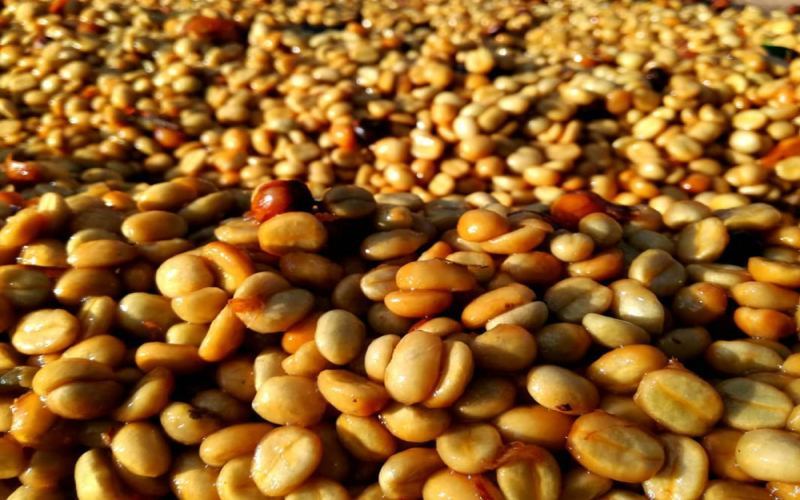
Why Does Costa Rican Honey-Processed Coffee Have Such Outstanding Sweetness? Uncovering the Regions, Varieties, Processing Methods, and Import Situation
Costa Rican honey-processed coffee has long been celebrated for its honey-like sweetness, and Front Street Coffee has featured it as a signature pour-over since 2013. Although this Central American country is not the largest producer, its legally mandated cultivation of Arabica, its blessed volcanic soil and high-altitude growing regions, and its masterful honey-processing techniques combine to create elegant, sweet coffee flavors. From Front Street's perspective, this article systematically reviews Costa Rica's producing regions, common varieties, processing methods such as honey processing and raisin anaerobic honey processing, and recommends several representative coffee beans including the Musician Series, Fire Phoenix Sapphire, Rume Sudan, and Geisha. [more…]
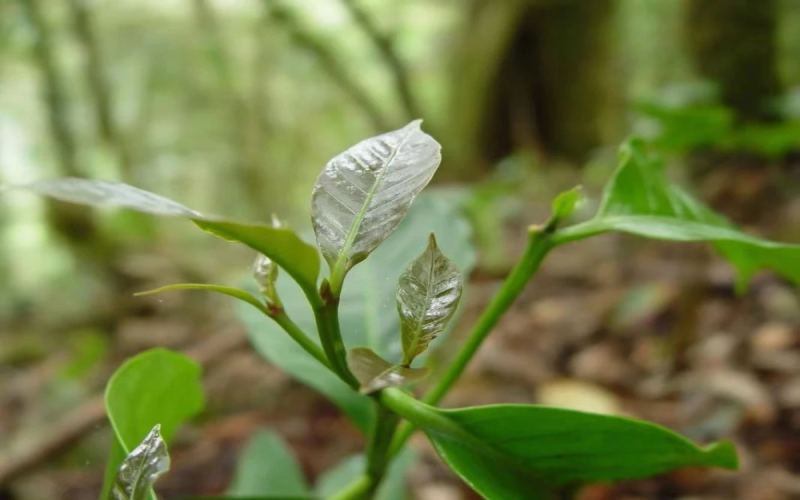
What Are the Differences Between Washed, Natural, and Honey-Processed Geisha Coffee? A Detailed Guide to Pour-Over Techniques for Panama Hacienda La Esmeralda Geisha
Geisha coffee, with its complex floral and fruity notes, has become a highly sought-after variety in the specialty coffee world. From its discovery in the Geisha forests of Ethiopia to its rise to fame at Hacienda La Esmeralda in Panama, the cultivation and processing methods of Geisha have always been a focus of attention for coffee enthusiasts. How do the three different processes—washed, natural, and honey—create flavor differences in Geisha? How should high-altitude cultivation and light-to-medium roasting be paired with brewing? This article starts with Front Street Coffee's Geisha to analyze the differences between washed, natural, and honey processing methods, and shares detailed V60 three-pour hand-brew parameters and brewing details to help you better showcase the floral and fruity notes and layered complexity of Panamanian Geisha. [more…]
Honey-Processed Coffee Beans: A Complete Guide to Pectin Retention and Flavor Differences from White Honey to Black Honey
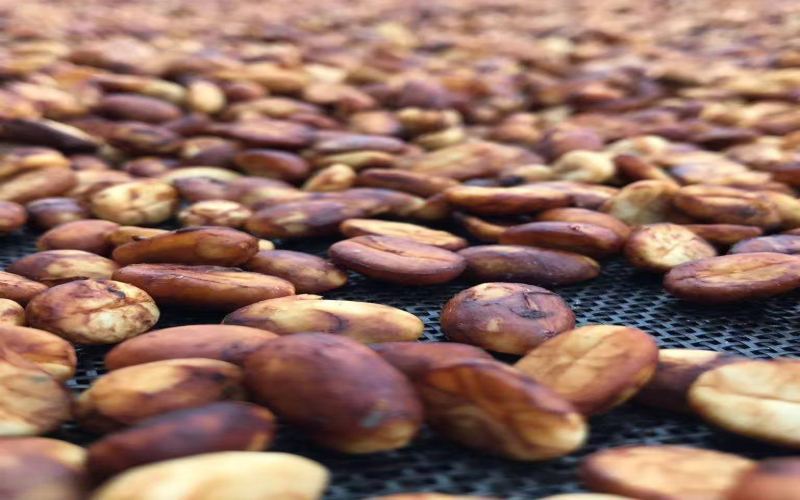
Honey processing is not about processing coffee beans with honey, but rather about retaining different proportions of mucilage for fermentation and drying, thereby creating a rich layering of sweetness and fruity notes. This article will trace the evolution of honey processing from Brazil's pulped natural method to its refinement in Central and South America, explain in detail the key role of mucilage in fermentation, and compare one by one the mucilage retention, drying duration, turning frequency, and raw bean appearance and aroma characteristics of white honey, yellow honey, red honey, and black honey. At the same time, the article also introduces the honey-processed Guatemala New Oriente Geisha on Front Street Coffee's bean list, whose sweet orange, toffee, and bergamot flavors are deeply impressive. [more…]
A Complete Guide to Pour-Over Costa Rican Honey-Process Geisha: From Boquete Region to Staged Extraction Parameters
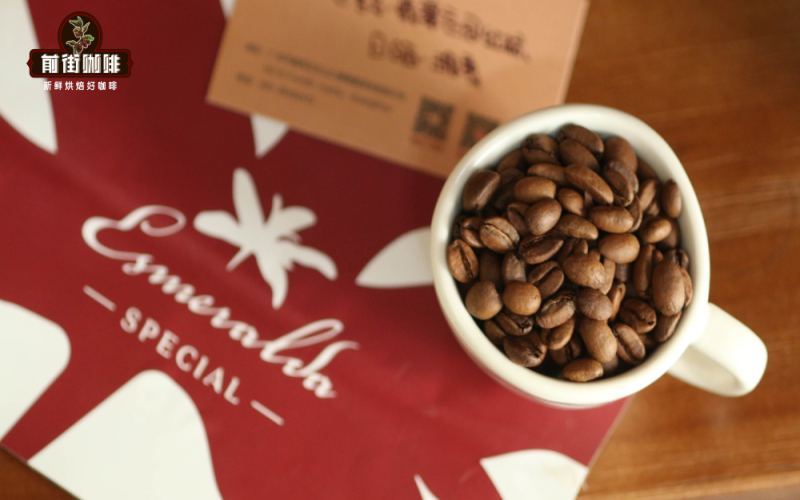
Geisha coffee is most famous for Panama, but different producing regions give it vastly different flavor profiles. This article approaches Geisha through the lens of origin differences, focusing on the Panama Boquete honey-process Geisha that Front Street Coffee has recently acquired. It explains in detail the terroir advantages of the Boquete producing region and the craft characteristics of the honey process, and fully shares Front Street Coffee's pour-over parameters and staged extraction technique, including water temperature, grind size, coffee-to-water ratio, and pouring rhythm, before finishing with a flavor description of this bean. Whether you want to understand how honey processing differs from natural and washed, or you are looking for a pour-over recipe you can reuse directly, you will find useful reference here. [more…]

A Comprehensive Analysis of Arabica Specialty Coffee Bean Varieties and a Full Comparison of Flavor Characteristics Across Major Producing Regions
The variety and origin of coffee beans directly influence the flavor profile in the cup. Common coffee beans on the market can be divided into three major categories by variety: Arabica, Robusta, and Liberica, among which Arabica is the mainstream choice for specialty coffee shops. When distinguished by producing region, origins such as Jamaica, Ethiopia, Indonesia, and Tanzania each present distinctly different taste characteristics. Drawing on cupping experience, Front Street Coffee (FrontStreet Coffee) sorts out the flavor differences among representative coffee beans such as Costa Rican honey-processed beans, Ethiopian Yirgacheffe, Panamanian Geisha, and Diamond Mountain, helping coffee enthusiasts more clearly understand the characteristics and charm of different coffee bean varieties. [more…]